
Compliance and inspection
Boiler inspection and certification in Bangladesh, step by step
Every steam boiler in Bangladesh needs an annual certificate from the Office of the Chief Inspector of Boilers. Here is what the inspection covers, how to prepare the plant and what stops a certificate being issued.
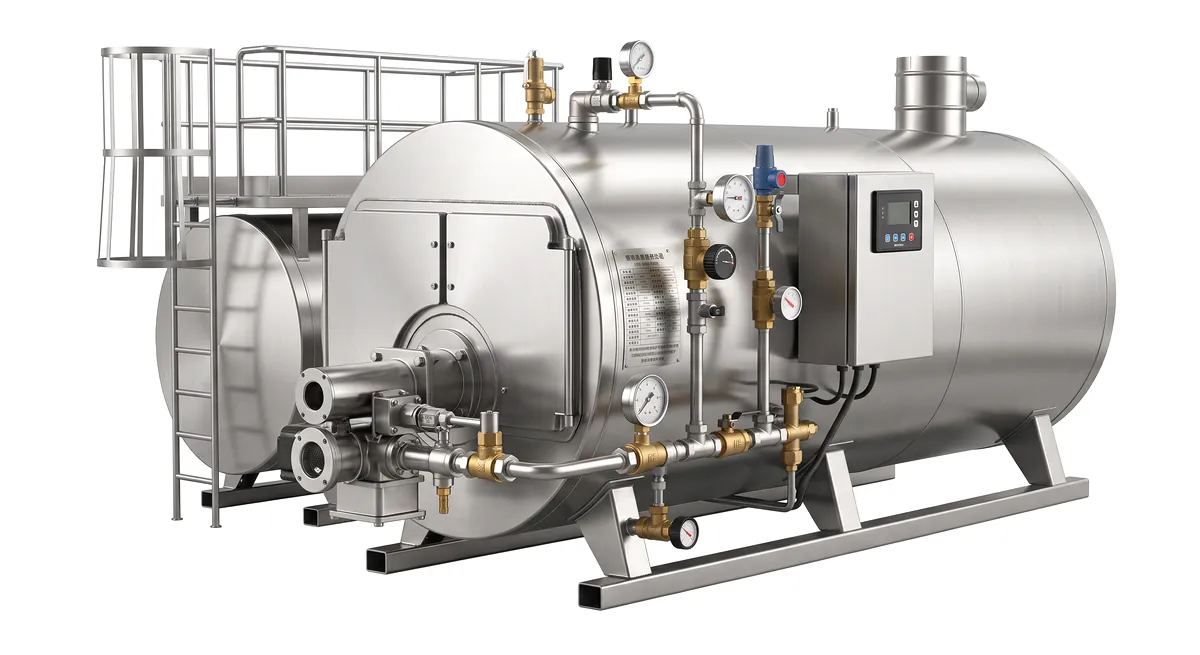
Operating a steam boiler in Bangladesh without a current certificate is not a paperwork problem, it is an offence under the Boiler Act 1923 - and the first thing an insurer asks for after an incident. The inspection itself is straightforward. What catches factories out is preparation: a plant that is not ready wastes the inspector's visit and the shutdown.
What the annual inspection covers
The Office of the Chief Inspector of Boilers examines the pressure parts and every safety device that protects them.
Internal examination
With the boiler cold, drained and opened, the inspector looks for:
- scale, pitting and grooving on the tube plates and furnace
- signs of overheating - bulging, blistering or discoloured metal
- the condition of the tubes, tube ends and welds
- corrosion at the water line and in the bottom of the shell
This is where a year of poor feedwater treatment becomes visible. Scale thicker than a millimetre on the fire side of the tubes is enough to be recorded as an observation.
External examination
Mountings and fittings are checked as a set:
- safety valves, their setting and their discharge pipework
- water level gauges, and whether both sets read alike
- feed check valves, blowdown valves and the main steam stop valve
- pressure gauge accuracy against a test gauge
- low water cut-off and its manual test
Hydraulic test
The boiler is filled completely, vented, and raised to the test pressure - normally 1.5 times design pressure - using a hand or motorised test pump. It is held while the inspector walks every seam, joint and mounting. Any weep, any movement, and the test stops there.
Preparing the plant
The work that makes or breaks the visit happens in the week before it.
- Book the date early. Inspector diaries fill, and a plant sitting cold waiting for a slot costs more than the inspection.
- Cool the boiler properly. Forced cooling stresses the tube ends. Let it come down naturally, then drain.
- Open every access point. Manholes, handholes, the smokebox door and the furnace door - all doors open, all gaskets ready to be replaced.
- Clean both sides. Water side descaled where required, fire side brushed free of soot. An inspector cannot certify what is hidden under deposit.
- Prepare the mountings. Safety valves overhauled or replaced, gauge glass fitted with new packing, pressure gauge calibrated with a certificate.
- Have the file ready. Previous certificate, repair records, welder qualifications for any pressure part work, feedwater analysis and the registration book.
What stops a certificate being issued
In our experience the common causes are all preventable:
- Untested or seized safety valves. A valve that has not lifted in a year is an automatic problem.
- Unapproved repairs. Pressure part welding carried out by a welder without the right qualification, or without prior approval, is rejected on sight.
- Heavy scale. Deposit that hides the tube plate stops the internal examination.
- A leaking hydraulic test. Usually a gasket or a manhole door face that was never cleaned properly.
- Missing documentation. No registration book, no previous certificate, no record of the last repair.
After the certificate
The certificate states the maximum permissible working pressure. Two habits keep the next inspection quiet:
- Test the safety valve and the low water cut-off on a written schedule, and record every test. The record is evidence of a maintained plant.
- Keep feedwater results. Hardness, TDS, pH and dissolved oxygen logged daily take an hour a week and prevent the tube damage that turns a routine inspection into a repair.
We carry out the preparation, the descaling, the mounting overhaul and the hydraulic test, and we submit the documents for renewal - so the plant comes back on line with the certificate in the file rather than the inspection still outstanding.
Common questions
How often must a boiler be inspected in Bangladesh?
Once every twelve months. The Boiler Act 1923 requires a valid certificate from the Office of the Chief Inspector of Boilers before a steam boiler may be operated, and the certificate is issued for a maximum of one year.
What pressure is the hydraulic test carried out at?
Normally 1.5 times the design pressure, held long enough for the inspector to examine every joint, seam and mounting for leakage or distortion.
How long does the shutdown take?
Plan for three to five days. Cooling and draining take a day, cleaning and opening take a day, the inspection itself takes a few hours, and boxing up plus refilling and raising steam takes another day.
More notes
- Water treatmentWhy Bangladeshi groundwater destroys boiler tubesGroundwater across the delta carries high calcium and magnesium hardness plus dissolved oxygen. Untreated, it scales tubes within months, drives fuel consumption up and eventually splits the metal. Here is the treatment that prevents it.
- Sizing and specificationHow to size a steam boiler for a textile dyeing factoryNameplate figures do not size a boiler. Measure peak against average steam demand in kg/hr, fix the working pressure and count the condensate you get back, then pick the capacity from those three numbers.