
Environmental compliance
Meeting Department of Environment (DoE) boiler stack emission standards in Bangladesh
Converting from natural gas to rice husk, briquettes, or coal triggers strict environmental scrutiny. Here are Bangladesh DoE limits for Suspended Particulate Matter (SPM), SOx, and NOx, why black chimney smoke forms, and how to size multi-cyclones and wet scrubbers compliantly.
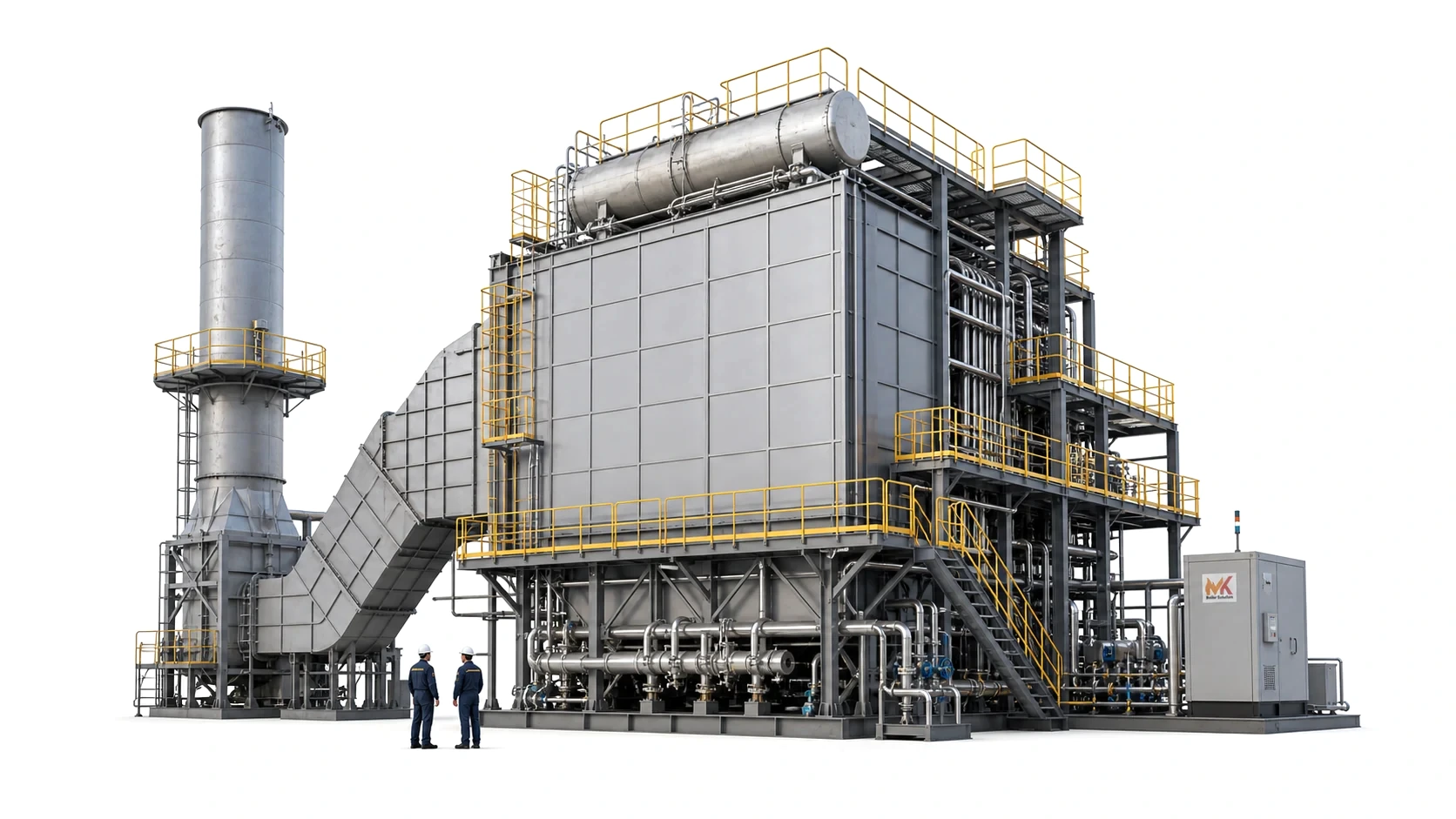
When factory owners across Gazipur, Savar, Narayanganj, and Bogura convert their industrial boilers from natural gas to solid biomass—such as rice husk, wood briquettes, or coal—they solve their immediate fuel supply crisis. But without engineered flue gas filtration, they instantly invite a second existential threat: regulatory shutdown by the Department of Environment (DoE).
Visible black smoke billowing from an industrial stack is the fastest way to trigger a spot inspection from the DoE mobile court, resulting in mandatory factory closure notices, environmental compensation fines under the Bangladesh Environment Conservation Act 1995, and severed utility connections. Operating a solid-fuel boiler legally requires meeting statutory stack emission standards on day one.
Bangladesh DoE stack emission standards: The regulatory numbers
The Department of Environment enforces emission limits under the Environment Conservation Rules (ECR). Every industrial steam generator must undergo periodic isokinetic stack sampling by a certified laboratory to renew its Environmental Clearance Certificate (ECC).
| Parameter | DoE Permissible Standard | Solid Fuel Baseline (Uncontrolled) | Primary Health & Environmental Impact |
|---|---|---|---|
| Suspended Particulate Matter (SPM) | < 150 mg/Nm³ (100 in sensitive zones) | 800 - 2,500 mg/Nm³ | Fine fly ash, respiratory distress, black smoke |
| Sulfur Dioxide (SOₓ) | < 300 mg/Nm³ | High in coal/HFO, low in pure biomass | Acid rain, stainless ductwork corrosion |
| Nitrogen Oxides (NOₓ) | < 400 mg/Nm³ | 250 - 500 mg/Nm³ | Photochemical smog, ground-level ozone |
| Carbon Monoxide (CO) | < 200 ppm | 500 - 2,000+ ppm (if starved of air) | Direct indication of wasted fuel and incomplete burn |
| Smoke Opacity (Ringelmann Scale) | <Ringelmann 1 (<20% opacity) | Ringelmann 3 to 4 (Dark grey / black) | Visual trigger for DoE enforcement raids |
A raw biomass flue gas stream exiting a rice husk or briquette combustor contains 1,200 to 2,500 mg/Nm³ of particulate matter—meaning your flue gas treatment train must achieve a minimum 90% to 95% collection efficiency before releasing gas into the atmosphere.
Why converted boilers produce black chimney smoke
Black or dark grey smoke is not an inevitable consequence of burning solid fuel; it is visible evidence of unburnt carbon fuel and unmanaged aerodynamic draft. The primary root causes in Bangladeshi factories include:
- Secondary air starvation: Natural gas mixes instantaneously with air at the burner head. Solid biomass, however, releases volatile hydrocarbon gases that combust above the fuel bed. Without high-velocity secondary air injection nozzles creating turbulence in the upper furnace, volatiles leave unburnt as soot.
- Moisture-laden fuel: Rice husk or sawdust delivered during monsoon often carries 20% to 35% moisture. Evaporating this water quenches furnace flame temperature below the 850°C ignition threshold for volatiles, producing thick smoldering smoke.
- Improper furnace draft (ID fan imbalance): An undersized Induced Draft (ID) fan creates positive pressure in the furnace, suffocating air intake and causing heavy carbon generation.
- Undersized single-cone cyclones: Fitting a generic, single-barrel cyclone designed for woodworking rather than a high-efficiency multi-cyclone allows high-velocity flue gas to carry fly ash straight out the stack.
Engineered filtration equipment: From multi-cyclone to wet scrubbers
To ensure permanent compliance, a boiler flue gas train must be engineered with tiered particulate and gas scrubbing stages matched to the fuel type:
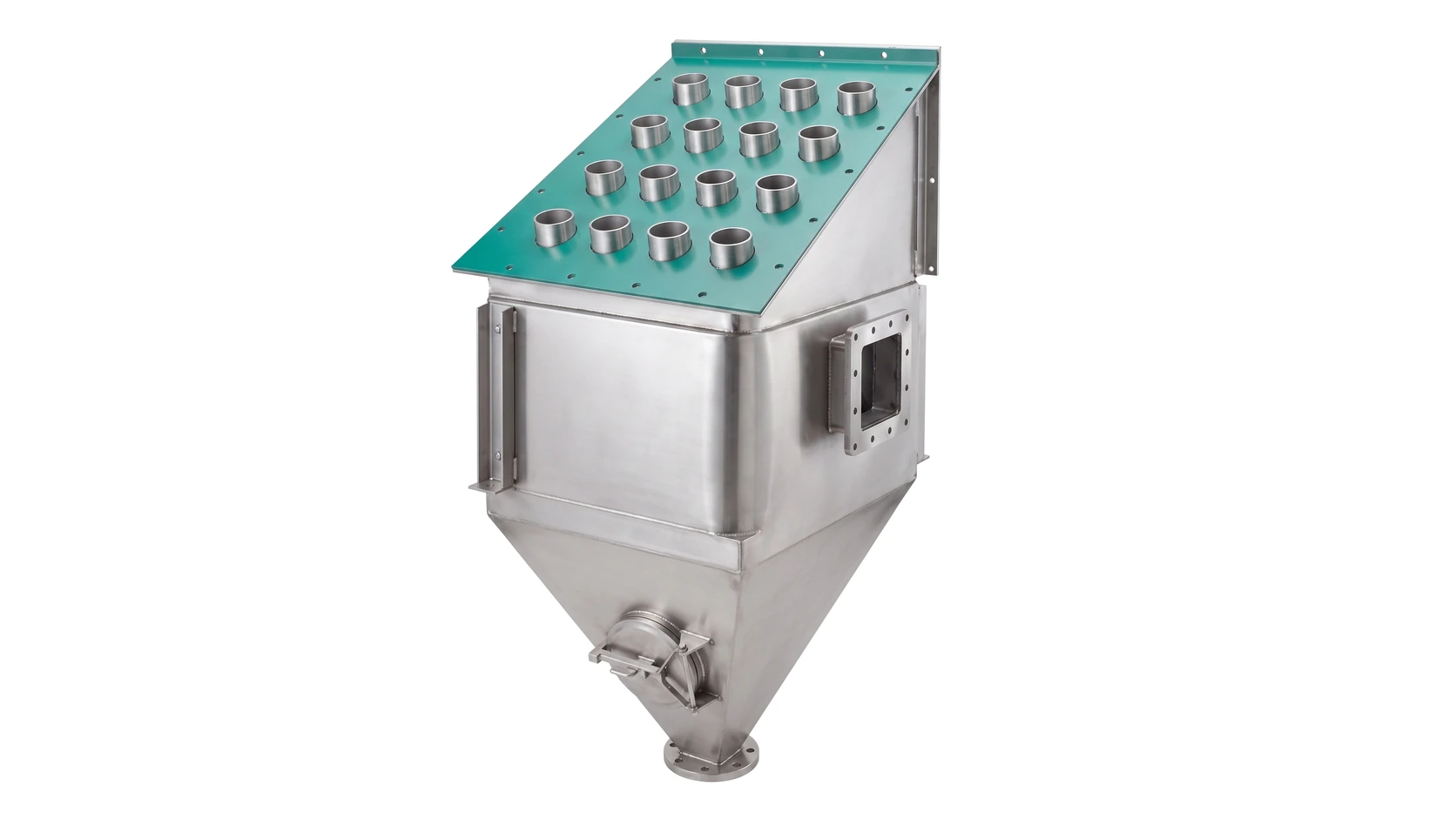
1. Multi-Cyclone Dust Collector (MCDC) — The Primary Workhorse
A Multi-Cyclone Dust Collector utilizes an array of small-diameter (150 mm to 250 mm) stainless or cast-iron cyclone tubes housed in a single casing. Because centrifugal separation force increases inversely with cyclone radius, a multi-tube array captures far finer particles than a single large cyclone.
- Collection Efficiency: 85% to 92% for particles down to 10 microns (PM₁₀).
- Pressure Drop: Typically 70 to 120 mmWg, which must be factored into the ID fan motor sizing.
- Application: Essential baseline equipment for all wood briquette, rice husk, and coal conversions.
2. Venturi Wet Scrubbers — For High-Silica Husk & Jhut
Rice husk ash contains over 90% abrasive, fine silica (SiO₂), while fabric waste (jhut) generates fine synthetic ash that can bypass mechanical cyclones.
A Venturi scrubber accelerates flue gas through a converging throat while injecting atomized water spray. High-velocity droplets capture sub-micron particulate (PM₂.₅) and absorb water-soluble acidic gases. The slurry drains to an ash settling pit, allowing clean, moisture-demisted gas to vent.
- Collection Efficiency: 95% to 98% for fine dust, bringing SPM safely below 80 mg/Nm³.
3. Pulse-Jet Baghouse Filters — For Maximum Buyer Compliance
For Platinum LEED facilities and factories facing zero-tolerance buyer audits, a pulse-jet fabric baghouse filter using heat-resistant fiberglass or PPS filter bags provides the highest particulate abatement.
- Collection Efficiency: 99.5%+ down to 1 micron, delivering crystal-clear stack emissions (<30 mg/Nm³).
| Filtration Technology | SPM Reduction Efficiency | Particle Size Cutoff | Best Fuel Application |
|---|---|---|---|
| Multi-Cyclone (MCDC) | 85% - 92% | > 10 µm | Wood briquettes, wood pellets, low-ash biomass |
| Venturi Wet Scrubber | 94% - 98% | > 2 µm | High-ash rice husk, fabric waste (jhut), coal |
| Pulse-Jet Baghouse | 99% - 99.8% | > 0.5 µm | LEED Platinum plants, urban RMG dyeing mills |
Stack height and continuous monitoring protocols
In addition to dust collection efficiency, the Department of Environment enforces physical stack height rules calculated against boiler capacity:
Stack Height (Meters) = 14 × (Q)^{0.3}
(Where Q is the sulfur dioxide emission rate in kg/hr, subject to a statutory minimum height of 30 meters above ground level for industrial solid-fuel installations).
Factories must also install statutory isokinetic sampling ports (3-inch flanged ports located at least 8 stack diameters downstream and 2 diameters upstream from any flow disturbance) with an OSHA-compliant ladder and sampling platform.
Ensure zero-violation DoE clearance
Operating on biomass does not have to mean risking environmental fines or neighbor complaints.
MK Boiler Solution designs, fabricates, and installs custom Multi-Cyclone Dust Collectors, Wet Scrubbers, and ID Fan Upgrades tailored to your boiler’s exact fuel and steam rating. We also provide certified on-site isokinetic stack emission testing, flue gas analysis (O_2, CO, SO_x, NO_x, SPM), and complete documentation support to secure your Department of Environment clearance.
Common questions
What is the maximum permissible Suspended Particulate Matter (SPM) limit for industrial boilers in Bangladesh?
Under the Environment Conservation Rules (ECR) enforced by the Department of Environment (DoE), industrial boiler stack emissions must strictly keep Suspended Particulate Matter (SPM) below 150 mg/Nm³ for coal and solid biomass-fired boilers, and below 100 mg/Nm³ in designated environmentally critical or dense industrial clusters like Gazipur, Savar, and Narayanganj. Gas-fired boilers are held to tighter combustion completeness standards with zero visible smoke (Ringelmann Scale < 1).
Why does dense black smoke come out of the chimney after converting to biomass fuel?
Black chimney smoke is unburnt carbon particulate resulting from incomplete combustion. In converted boilers, this is almost always caused by insufficient secondary combustion air (causing oxygen starvation in the volatile combustion zone), improper furnace draft (weak ID fan suction), feeding oversized wet biomass (>20% moisture), or an undersized cyclone collector that allows high-velocity flue gas to carry fly ash straight out the stack.
When is a wet scrubber or baghouse filter required instead of a standard multi-cyclone?
A Multi-Cyclone Dust Collector (MCDC) efficiently captures coarse fly ash particles (>10 microns) with 85% to 92% efficiency, which is sufficient for high-quality wood briquette firing. However, when burning high-ash rice husk (18-22% silica ash), mustard stalks, or fabric scraps (jhut), finer sub-micron particulates and acid gases require a secondary venturi wet scrubber or fabric baghouse filter to consistently stay below the 150 mg/Nm³ DoE threshold.
More from the blog
- MaintenanceAn annual boiler maintenance checklist for factory managersPlan daily records, periodic servicing and the annual shutdown with clear responsibilities, inspection evidence and a controlled return to service.
- Maintenance planningBoiler AMC or breakdown calls: compare the full costCompare a boiler annual maintenance contract with on-demand repairs using downtime assumptions, service scope, response commitments and spare-parts exclusions.